New Energy & Connectivity

Vehicle Integrated Photovoltaics (VIPV) Solar Applications for Sustainable Mobility Without Fragmented Sourcing

Discover the suppliers, electrification technologies and industry conversations that help automotive teams evaluate vehicle-integrated solar opportunities at Automechanika Shanghai 2026.

2–5 December 2026 390,000 sqm 16 halls
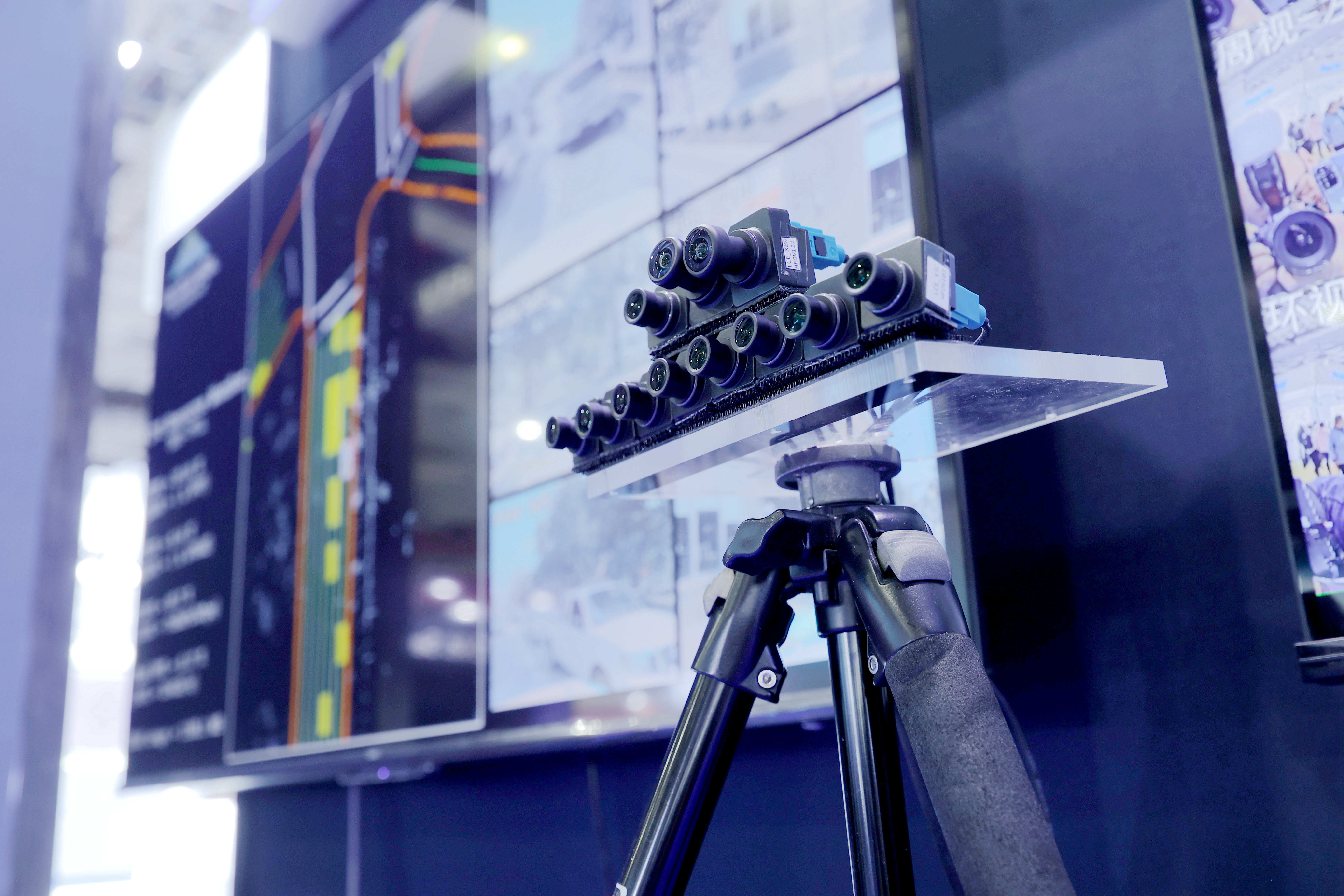
Automechanika Shanghai New Energy and Connectivity exhibition scene

New-energy and connectivity technologies in an automotive exhibition environment.

Why this context matters: Vehicle Integrated Photovoltaics (VIPV) combines photovoltaic generation with vehicle surfaces or platforms. Automechanika Shanghai provides a practical industry setting for exploring adjacent electrification, energy-management, connected-vehicle and supplier capabilities rather than treating solar integration as an isolated technology question.

What Is Vehicle Integrated Photovoltaics (VIPV)?

Vehicle Integrated Photovoltaics, or VIPV, refers to incorporating photovoltaic modules into a vehicle’s body, roof, glazing or other suitable surfaces so solar energy can contribute to the vehicle’s electrical system. The approach is relevant to electric and other new-energy platforms because it connects power generation with battery systems, energy management, vehicle architecture and charging strategy. Automotive engineers, OEMs, component suppliers and mobility innovators use the broader vehicle solar integration ecosystem to assess feasibility, packaging, durability and commercial opportunities.

Where Automechanika Shanghai Supports VIPV Discovery

The show connects VIPV research questions with the adjacent automotive capabilities needed to evaluate real vehicle applications.

New Energy and Connectivity exhibition scene at Automechanika Shanghai

New Energy & Connectivity

The dedicated new-energy and connectivity zone expanded to the full Hall 5.1. It is the most relevant exhibition context for reviewing NEV systems, connected-vehicle technologies, autonomous-driving solutions and sustainable-mobility capabilities that may intersect with VIPV.

Explore new-energy mobility
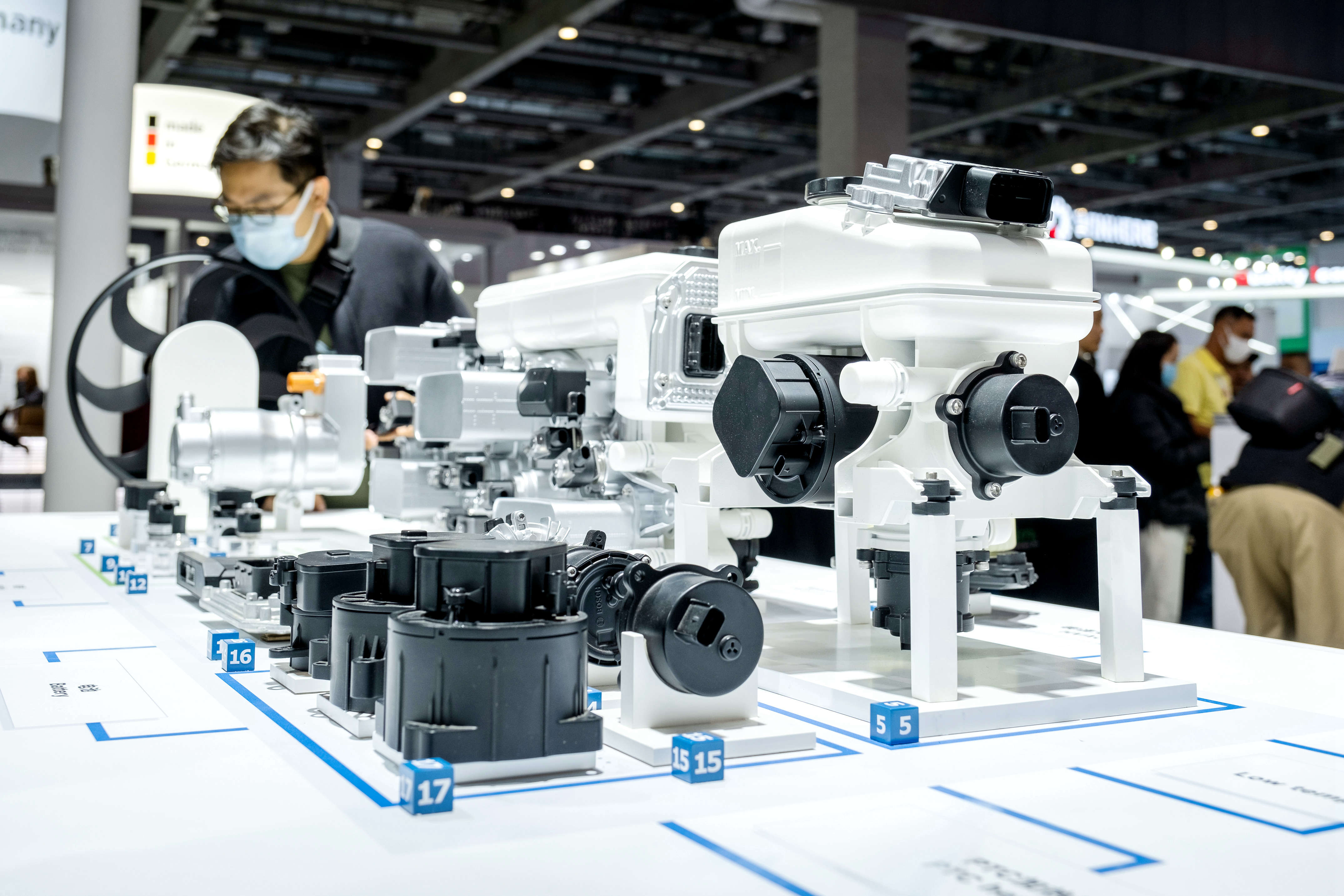
Parts and Components exhibition scene at Automechanika Shanghai

Parts & Components

Electrified products and vehicle-production technologies help teams investigate the practical components around solar integration, including electrical interfaces, energy-management systems and supporting hardware. Use the area to identify suppliers and compare how component capabilities may fit a vehicle platform.

Find electrified components

What You Get

Identify relevant exhibitors across new-energy, connectivity and component categories.

Connect solar integration questions with broader vehicle-platform requirements.

Assess electrification, battery and energy-management relationships relevant to VIPV.

Build conversations across the automotive value chain and international markets.

Learn from conferences, technical seminars and fringe events focused on future mobility.

Plan a focused visit using official exhibitor, event and venue resources.

How It Works

Step 1

Define the use case

Clarify the vehicle platform, energy objective and supplier questions behind your VIPV research.

What you see: a focused visit brief
Step 2

Explore the ecosystem

Review new-energy, connectivity, parts and component exhibitors alongside the event programme.

What you see: relevant suppliers and sessions
Step 3

Compare and connect

Use meetings and industry discussions to test technical assumptions and identify next steps.

What you see: a stronger sourcing roadmap

Features

Core workflow features

  • Browse exhibitors and products by automotive category.
  • Focus research on Hall 5.1’s new-energy and connectivity context.
  • Connect VIPV questions with parts and component capabilities.
  • Review themes, conferences and technical sessions.
  • Prepare a structured visit for supplier discovery and networking.

Reliability & control

  • Use official event information for dates, venue and planning.
  • Separate confirmed exhibition scope from early technology exploration.
  • Validate supplier fit through direct conversations.
  • Use programme information to prioritise time on site.
  • Keep technical and commercial decisions grounded in your own requirements.

Integrations & export

  • Link research to battery management systems and vehicle-energy architecture.
  • Investigate connected systems alongside solar-enabled vehicle concepts.
  • Use the official downloads for fact sheets and venue planning.
  • Coordinate supplier conversations across product sections.
  • Carry findings into product, sourcing and market-planning discussions.

Proof

  • 390,000 sqm of exhibition space across 16 halls and the mezzanine floor.
  • An anticipated 7,600 exhibitors for the 2026 edition.
  • 46,000 sqm dedicated to the New Energy & Connectivity sector.
  • 100 fringe events sharing industry insights and future perspectives.
  • 2025 attendance reached 253,691 visitors from 190 countries and regions.

“Automechanika Shanghai provides a platform for idea exchange across the value chain, from OEMs and parts manufacturers to distributors, improving the industry’s R&D capabilities.”

Mr Hui Gao, Sales Manager, GAC Aion

Comparison: Why Automechanika Shanghai vs Alternatives

Decision dimension Automechanika Shanghai Single-category solar event Small supplier meeting
Automotive ecosystemNew energy, connectivity, parts and componentsPrimarily solar-focusedLimited participant range
Scale390,000 sqm across 16 hallsScope varies by eventSmall and focused
Industry programmeConferences, technical sessions and 100 fringe eventsSolar-sector sessionsUsually meeting-led
Supplier discoveryBroad automotive product sectionsSolar supply chain emphasisPreselected contacts

Credentials & Key Stats

2–5

December 2026 event dates

21st

Edition of the exhibition

7,600

Anticipated exhibitors

253,691

Visitors recorded in 2025

190 countries and regions represented in 2025 28% of buyers from overseas in 2025 55% of visitors linked to NEV business activities

FAQs

What is Vehicle Integrated Photovoltaics (VIPV)? +

VIPV is the integration of photovoltaic generation into suitable vehicle surfaces or structures, such as roofs, body panels or glazing. The generated energy can be considered alongside the vehicle’s electrical architecture, battery and energy-management strategy. It is an emerging application area, so teams should evaluate performance, packaging, durability and economics for their specific platform.

Is Automechanika Shanghai the best place to research VIPV? +

Automechanika Shanghai is one of the premier automotive platforms for researching the ecosystem around VIPV, especially new-energy vehicles, connectivity, electrification and components. It is not presented as a dedicated solar-only laboratory or certification programme. Its value is the opportunity to connect a VIPV question with the wider automotive suppliers and decision makers needed for implementation.

How should I prepare for a VIPV-focused visit? +

Start by defining the vehicle type, energy objective, integration constraints and supplier capabilities you need to investigate. Then review the official exhibitor and product information, programme details and venue resources before arriving. A short list of technical and commercial questions will make a large exhibition considerably easier to navigate.

Can VIPV research include battery and energy management? +

Yes. Solar generation is only one part of a vehicle energy system, so battery interfaces, charging logic, power electronics and energy management are important adjacent topics. Automechanika Shanghai’s new-energy and parts-related contexts can help teams identify conversations around those supporting systems, although each supplier’s exact capabilities must be confirmed directly.

Does the exhibition guarantee a specific VIPV product or supplier? +

No specific VIPV product, performance level or supplier match is guaranteed on this page. The exhibition offers a broad automotive platform where relevant new-energy, connectivity, electrification and component capabilities may be investigated. Visitors should use the official exhibitor information and speak with suppliers to verify whether a technology meets their requirements.

How can I register for Automechanika Shanghai 2026? +

Use the registration button on this page to access the official Messe Frankfurt registration route. The 2026 exhibition is scheduled for 2–5 December at the National Exhibition and Convention Center in Shanghai. For planning questions, consult the official preparation resources and contact the event team.

Evaluate the automotive ecosystem around VIPV in Shanghai.

Explore the leading new-energy and component platform for your next vehicle-integrated solar research conversation.