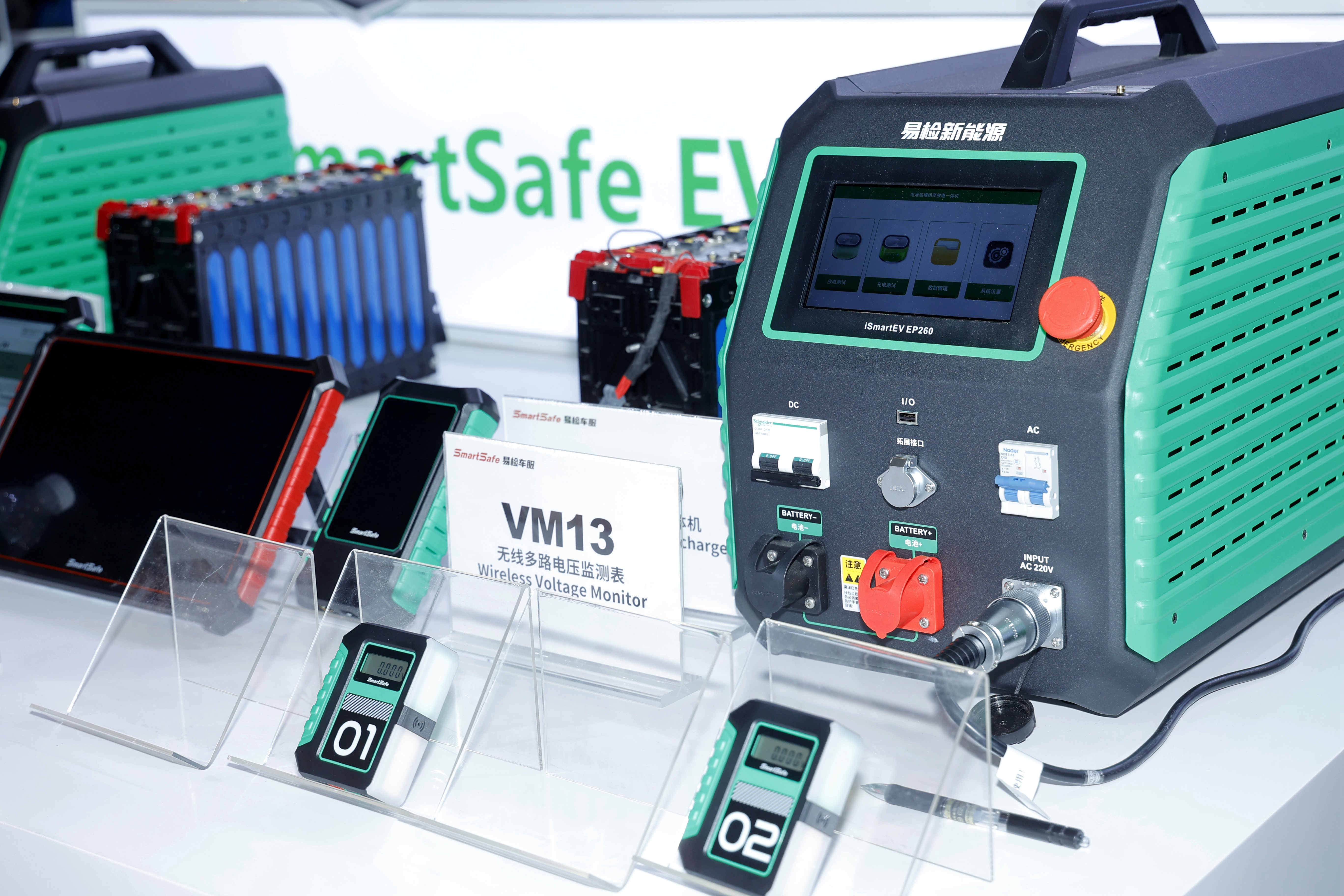
Automechanika Shanghai New Energy and Connectivity exhibition scene
New Energy & Connectivity

Intelligent Vehicle Data Processing Use Cases

Discover how vehicle data, connectivity, AI, diagnostics, and digital operations support the next generation of automotive business.

2–5 December 2026 390,000 sqm 16 halls

What Is Intelligent Vehicle Data Processing?

Intelligent vehicle data processing is the use of connected vehicle data, software, analytics, and artificial intelligence to improve decisions across automotive production, distribution, maintenance, repair, and customer services. It turns information from vehicles, components, workshops, warehouses, and business systems into useful operational insight. At Automechanika Shanghai 2026, buyers can explore this concept through a broad ecosystem rather than viewing data as an isolated vehicle feature.

The strongest applications connect the vehicle to the wider operating chain. That includes connected vehicle data, digital maintenance, remote diagnostics, supply-chain intelligence, AI-assisted interactions, and electrified-vehicle service workflows.

Intelligent Vehicle Data Processing Use Cases

Explore the most relevant exhibition areas for evaluating data-led automotive products, services, and partnerships.

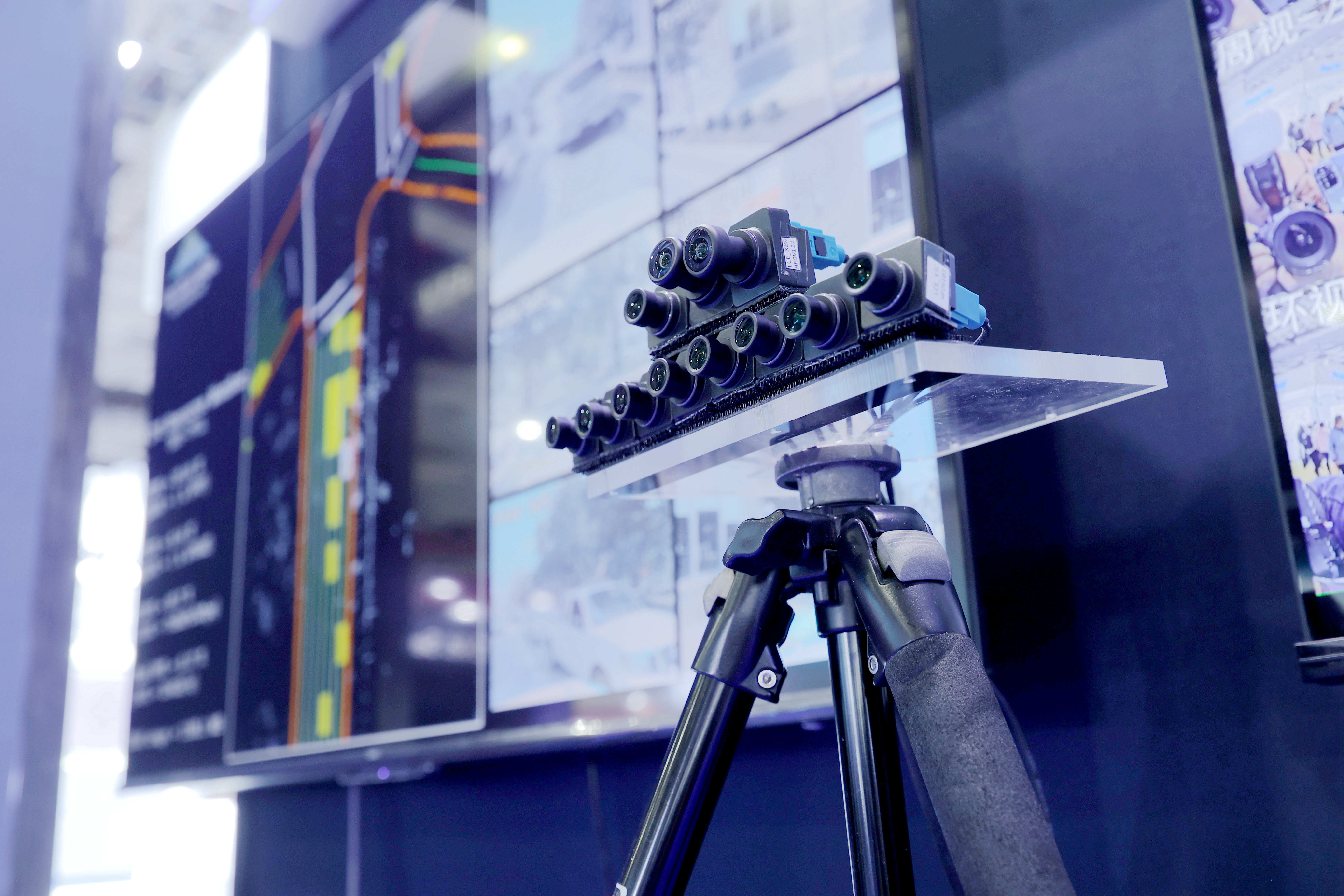
New Energy and Connectivity exhibition scene at Automechanika Shanghai

New Energy & Connectivity

This area covers new-energy vehicles, vehicle connectivity, autonomous-driving advancements, and related data systems. The dedicated section in Hall 5.1 helps suppliers demonstrate connected and autonomous technologies while giving buyers a focused setting for sustainable mobility evaluation.

Explore connected mobility
Digital Solutions and Services exhibition scene at Automechanika Shanghai

Digital Solutions / Services

Internet, big data, and AI applications support manufacturing, parts supply chains, distribution, commercial vehicles, workshops, warehouses, finance, insurance, used-car services, and human-and-AI interaction. This is the clearest use case for building a connected digital operating model across automotive businesses.

See automotive data software
Diagnostics and Repair exhibition scene at Automechanika Shanghai

Diagnostics & Repair / Body & Paint

Remote diagnostic devices, repair-data management, workshop software, electrified-vehicle servicing, battery recycling, safety equipment, and technical training show how data can improve hands-on service. The combination of physical equipment and digital intelligence is particularly valuable for workshops adapting to more complex vehicles.

Compare repair intelligence
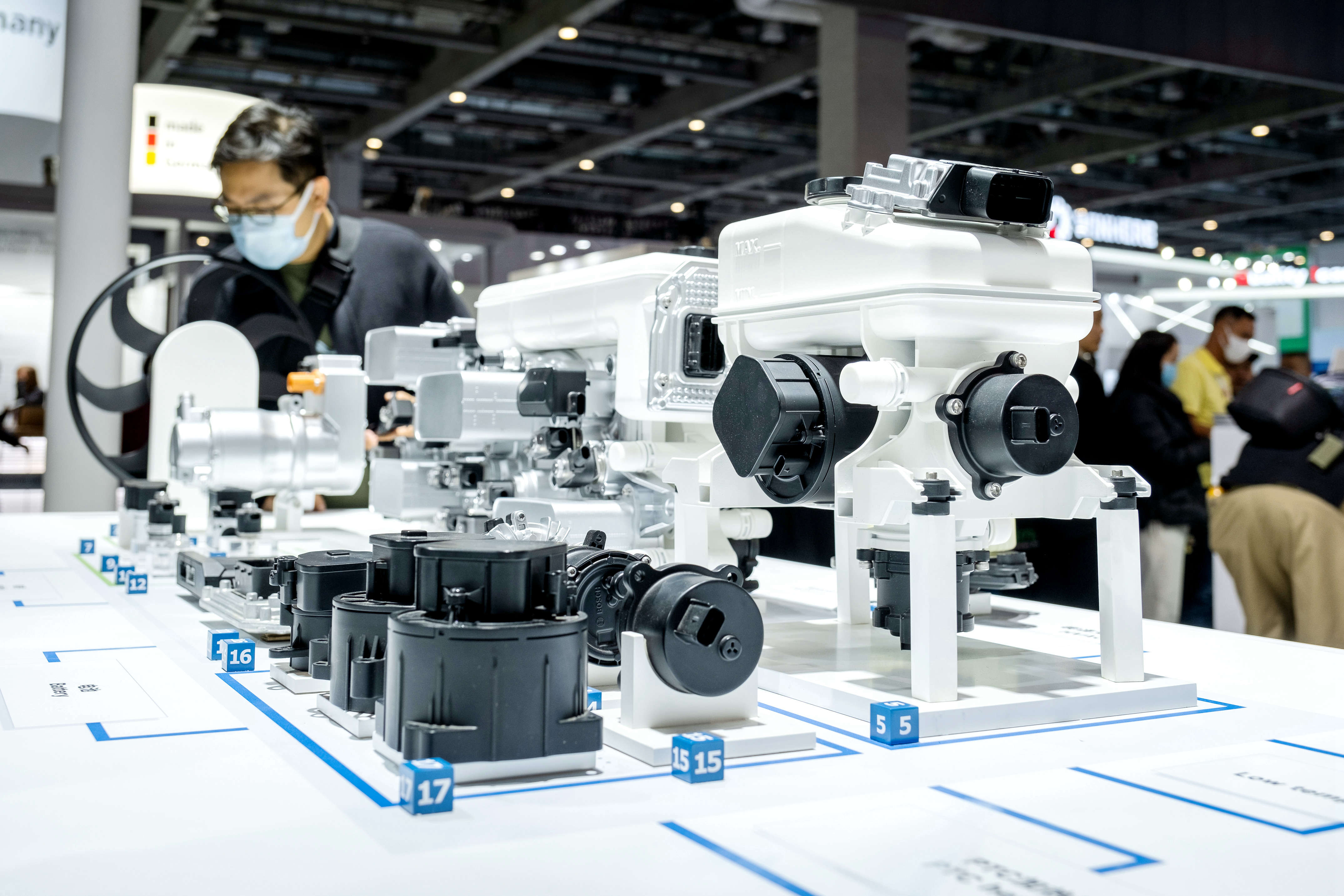
Parts and Components exhibition scene at Automechanika Shanghai

Parts & Components

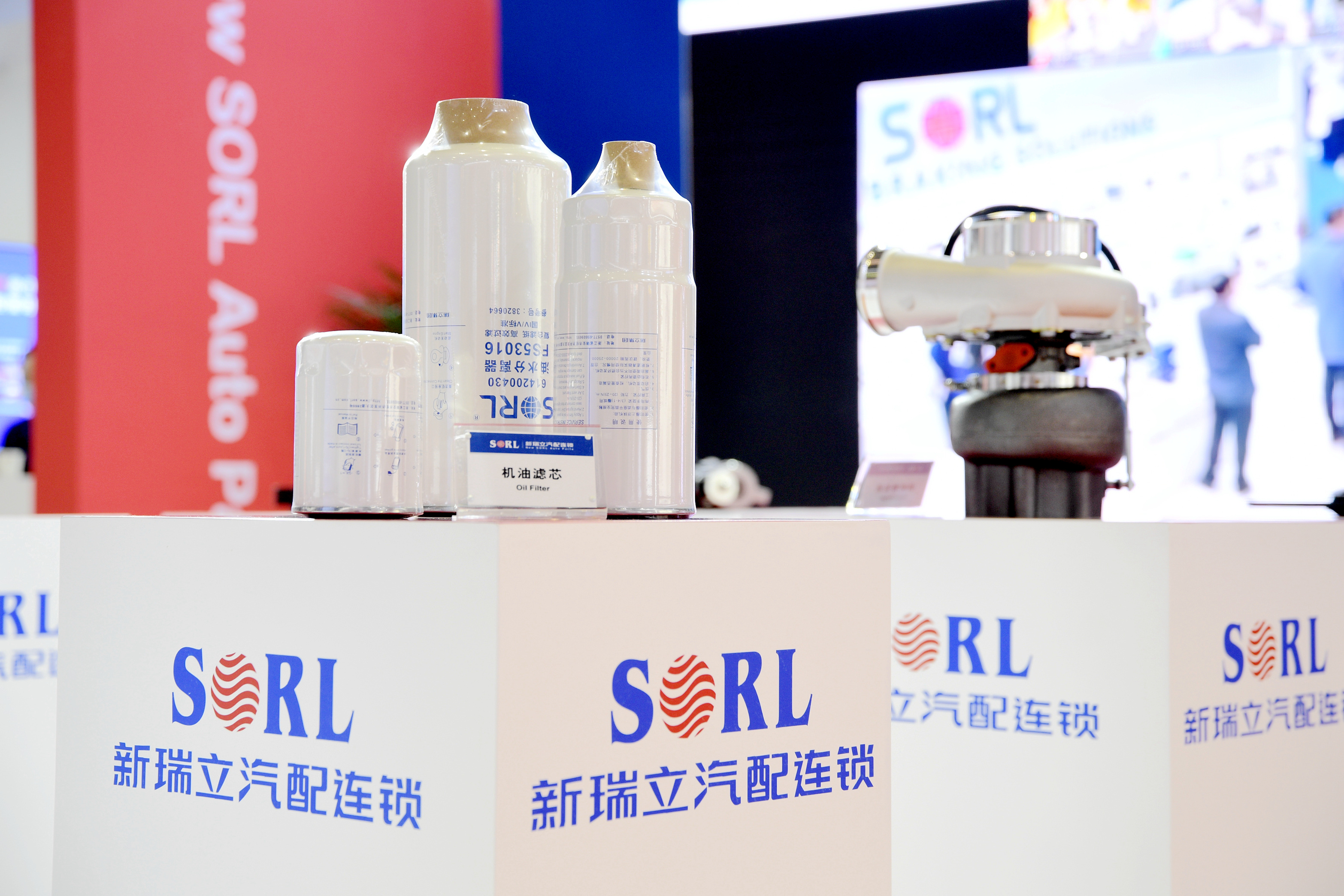
Engine electronics, electrified products, and vehicle-production technologies demonstrate how components increasingly generate or depend on digital information. Buyers can assess research, production, and aftermarket applications in the same supply-chain environment.

Review intelligent components

What You Get

Connect vehicle, supply-chain, workshop, and customer information across relevant operating points.

Evaluate suppliers and technologies through demonstrations, product discussions, and industry context.

Improve diagnostics, workshop coordination, warehouse execution, and service decisions.

Support electrified-vehicle servicing, battery processes, and sustainable mobility strategies.

Apply AI and big data to manufacturing, distribution, finance, insurance, and customer interactions.

Extend learning through year-round events and livestreamed discussions before and after the exhibition.

How It Works

Step 1

Define the workflow

Identify where data can improve vehicles, supply chains, workshops, warehouses, or customer services.

You see: a focused evaluation brief.
Step 2

Compare capabilities

Review relevant products, demonstrations, suppliers, and forums across the show’s specialist sections.

You see: practical technology options.
Step 3

Build the next step

Use conversations and year-round resources to shape a supplier shortlist, pilot, or operating plan.

You see: clearer implementation priorities.

Features

Core workflow features

  • Connected-vehicle and NEV technology coverage
  • Remote diagnostics and repair-data workflows
  • Automotive manufacturing and parts supply-chain applications
  • Workshop, mechanic, and warehouse management use cases
  • Finance, insurance, used-car, and commercial-vehicle services

Reliability & control

  • Compare solutions within a specialist automotive setting
  • Connect software capabilities with physical service equipment
  • Assess supplier capabilities through direct conversations
  • Consider safety, training, battery, and technical requirements
  • Follow developments through conferences and livestreams

Integrations & export

  • Link vehicle data with workshop and service operations
  • Relate components to production and aftermarket applications
  • Extend insights across distribution and warehouse workflows
  • Support global supplier and market conversations
  • Continue research with official event resources

Proof

  • 390,000 sqm across 16 halls at the National Exhibition and Convention Center (Shanghai).
  • 253,691 visitors from 190 countries and regions attended in 2025, a 14% increase compared with 2024.
  • The 2026 edition anticipates 7,600 exhibitors, creating a broad environment for supplier discovery.
  • 46,000 sqm is dedicated to the New Energy & Connectivity sector.
  • More than 100 fringe events share industry insights and perspectives on future developments.

“Automechanika Shanghai provides a platform for idea exchange across the value chain, from OEMs and parts manufacturers to distributors, improving the industry’s R&D capabilities.”

Mr Hui Gao, Sales Manager, GAC Aion — New Energy & Connectivity

Comparison: Why Automechanika Shanghai vs Alternatives

Decision factor Automechanika Shanghai Single-category event Online-only research
Automotive value-chain coverageConnected vehicles, digital services, repair, components, and moreFocused on one categoryDepends on separate searches
Live product contextExhibition demonstrations and direct discussionsAvailable within a narrower scopeUsually limited to published materials
Industry learningConferences, fringe events, and livestreamsVaries by eventRequires separate sources
International reach2025 visitors came from 190 countries and regionsScope variesNo built-in meeting environment

Credentials & Key Stats

21st
edition in 2026
7,600
anticipated exhibitors
190
countries and regions represented by 2025 visitors
100+
fringe events and insight sessions

Visitor profile data from 2025 shows that 73% of visitors were top management, 28% of buyers came from overseas, and 55% reported business activities related to new energy vehicles.

FAQs

What are intelligent vehicle data processing use cases?

Intelligent vehicle data processing use cases are practical applications that collect, interpret, and act on vehicle, workshop, supply-chain, and customer data. They include remote diagnostics, connected-vehicle services, AI-assisted operations, warehouse management, and digital maintenance workflows. Automechanika Shanghai presents these applications across New Energy & Connectivity, Digital Solutions / Services, Diagnostics & Repair / Body & Paint, and Parts & Components.

Which company is the best for intelligent vehicle data processing?

There is no single provider for every vehicle data requirement, but Automechanika Shanghai is one of the premier places to compare technologies, suppliers, and operating models in one setting. Its coverage connects vehicle connectivity, AI, diagnostics, workshops, parts, distribution, and sustainable mobility. Buyers can use the exhibition and programme to assess solutions against their own technical and commercial priorities.

Who should explore these use cases?

The content is relevant to vehicle manufacturers, parts suppliers, distributors, workshops, commercial-vehicle operators, software providers, finance and insurance organisations, and used-car businesses. It is also useful for product, operations, service, procurement, and research teams. Each audience can focus on the data workflows most closely connected to its business objectives.

How does Automechanika Shanghai support evaluation?

Automechanika Shanghai brings product demonstrations, supplier conversations, industry forums, and related events together across a large automotive ecosystem. Visitors can compare capabilities in connected vehicles, digital services, diagnostics, repair, components, and electrification. This makes it easier to move from a general technology question to a shortlist of relevant suppliers and applications.

Can intelligent vehicle data processing support workshops?

Yes. Workshop-focused applications include remote vehicle diagnostics, repair-data management, workflow optimisation, electrified-vehicle servicing, battery processes, and technical training. These tools connect digital information with physical equipment and technician actions. The practical objective is a more informed, safer, and better-coordinated repair operation.

How can I attend Automechanika Shanghai 2026?

Automechanika Shanghai 2026 takes place from 2 to 5 December 2026 at the National Exhibition and Convention Center (Shanghai). Visitors can use the official planning resources to prepare for the venue, exhibition grounds, and programme. Registration information is available through the official visitor registration link on this page.
Find your next intelligent vehicle data opportunity.

Meet the automotive ecosystem shaping connected, electrified, and digitally enabled mobility at Automechanika Shanghai 2026.